Is the 2027 Chevrolet Bolt’s NACS port practical for charging around Eastvale, CA?
Orel Hershiser Chevrolet – Is the 2027 Chevrolet Bolt’s NACS port practical for charging around Eastvale, CA?
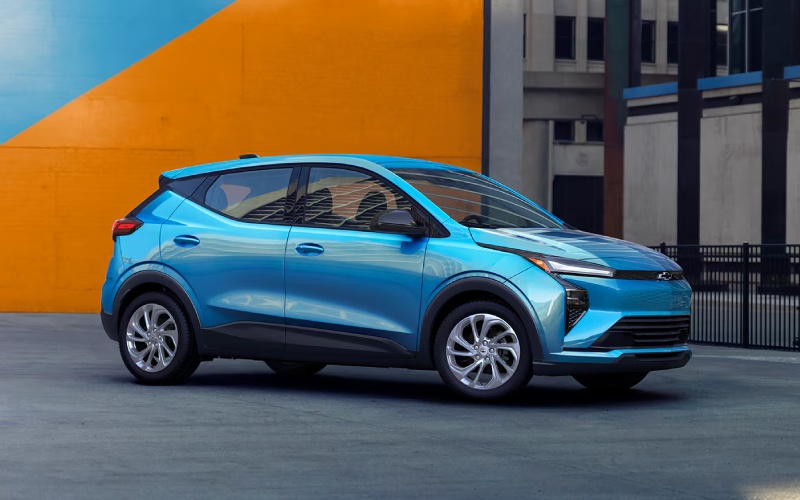
The 2027 Chevrolet Bolt’s standard NACS charge port is one of the most practical updates for EV shoppers who want simpler public charging around Eastvale, CA, and the surrounding Inland Empire. Charging access can be a major deciding factor when choosing an electric vehicle, and Bolt directly addresses that concern by building in a port designed for broader compatibility. Chevrolet states that Bolt can use DC fast charging from most public chargers, including compatible Tesla Superchargers*, thanks to its new battery and standard NACS DC port.
That matters because EV ownership is not only about how far a vehicle can travel on a full charge. It is also about how easy it feels to add energy when plans change, when errands run long, or when a driver wants extra flexibility beyond home charging. With an EPA-estimated 262 miles of electric range* and GM-estimated 10% to 80% DC public fast charging in about 25 minutes* when conditions allow, Bolt is designed to make electric driving more convenient without requiring drivers to overthink every trip.
Why the NACS Port Matters
NACS compatibility is valuable because it aligns Bolt with a growing public charging ecosystem. Chevrolet references more than 250,000 available chargers across the U.S. and Canada, with an expanding network that includes more DC fast chargers compatible with the standard NACS charge ports found on Bolt. For shoppers comparing EVs, that wider charging access can make the difference between feeling curious about electric driving and feeling ready to make the switch.
Drivers around Eastvale often move between residential neighborhoods, shopping centers, school routes, business districts, and freeway corridors. A vehicle with a strong range is helpful, but access to more charging options adds confidence. Instead of being limited to one style of public plug, Bolt’s standard NACS charge port helps position the vehicle for easier charging on the go. It also makes the vehicle more appealing to drivers who may not have a perfect home charging setup right away.
How Fast Public Charging Helps Real Routines
Chevrolet lists a GM-estimated 10% to 80% charging time of about 25 minutes* with DC public fast charging. That kind of charging speed is meaningful because it supports the way people actually use their vehicles. A quick public charging stop can fit into a shopping visit, a meal, or a short break during a busy day. It is not the same as stopping for gasoline, but faster DC charging makes EV driving feel more manageable for people with full schedules.
Bolt also supports 150 kW+ public DC Fast Charging*, which Chevrolet says is more than 2.5x faster than Bolt EUV*. That improvement is especially important for drivers who remember earlier EVs as slower to charge. The new Bolt is designed for the next stage of electric ownership, where range and charging convenience work together. The result is a compact EV that can handle commuting, errands, and regional driving with greater ease.
What to Think About Before You Buy
Before choosing any EV, shoppers should think through charging habits rather than focus only on the vehicle’s range number. Bolt’s EPA-estimated 262 miles of electric range* is generous for daily life, but ownership feels best when drivers know where and how they will charge most often. For some shoppers, Level 2 home charging may be the main source of energy. For others, workplace charging or public DC fast charging may play a bigger role.
- Home charging access: Consider whether you can install or use a dedicated charging setup where you park most often.
- Public charging locations: Look at chargers near work, shopping destinations, and common freeway routes.
- Driving patterns: Compare your weekly mileage to Bolt’s EPA-estimated 262 miles of electric range*.
- Charging speed needs: Decide how often you expect to rely on DC public fast charging instead of overnight charging.
- Technology comfort: Ask for a walkthrough of charging screens, route planning, Google built-in*, and charging settings.
These questions help narrow the decision from “Is an EV right for me?” to “How would this EV fit my life?” Bolt is compelling because it gives shoppers multiple advantages at once: a strong range, faster public charging, standard NACS hardware, a redesigned cabin, and technology that supports everyday convenience.
Charging Is Only Part of the Bolt Story
The NACS port is a major highlight, but Bolt’s broader package is what makes it feel complete. Inside, the redesigned cabin includes an 11.3″ diagonal touchscreen and an 11″ diagonal Driver Information Center. These large displays make important vehicle information easier to view and help keep infotainment controls within reach. Google built-in* compatibility can provide hands-free help through Google Assistant*, and available wireless phone charging helps reduce cable clutter.
Bolt also offers over 20 standard safety and driver assistance features*. Chevrolet highlights systems such as Adaptive Cruise Control, Front and Rear Park Assist, and IntelliBeam®. Available Super Cruise®* driver assistance technology adds even more appeal for shoppers who want hands-free driving capability on compatible roads, while available HD Surround Vision* can help make maneuvering easier. Safety and driver assistance features do not replace responsible driving, but they can add helpful support during daily travel.
Who Benefits Most From the Standard NACS Port?
The standard NACS charge port is especially useful for shoppers who want flexibility. Drivers with home charging will appreciate having wider public charging access as a backup. Drivers without home charging may value the ability to use a broader range of public stations. Families adding an EV as a second vehicle can also benefit because Bolt can handle daily driving while keeping charging options open for longer regional plans.
- New EV shoppers: The standard NACS port makes public charging easier to understand and more practical.
- Commuters: Strong range and faster DC charging help reduce charging stress during busy weeks.
- Apartment or condo residents: Expanded public charging access may help when home charging is limited.
- Tech-focused drivers: Google built-in*, large screens, and available driver assistance features create a modern ownership experience.
- Style-conscious shoppers: The first-ever RS trim adds unique grille styling, 17″ Black wheels, Red stitching, and multi-color ambient lighting.
For shoppers serving Ontario, Montclair, and Eastvale, Orel Hershiser Chevrolet can help explain the difference between home charging, DC fast charging, and NACS compatibility in straightforward terms. The right EV decision should be based on how the vehicle works in daily life, not just on a list of specifications.
Frequently Asked Questions:
Can the 2027 Chevrolet Bolt charge at Tesla Superchargers?
Chevrolet states that Bolt can use most public chargers, including compatible Tesla Superchargers*, thanks to its new battery and standard NACS DC port. Availability can depend on charger compatibility, account setup, station status, and network access.
How long does DC fast charging take?
Chevrolet lists a GM-estimated 10% to 80% charging time of about 25 minutes* with DC public fast charging when conditions allow. Charging time can vary based on battery temperature, charger output, state of charge, and other factors.
Is home charging still useful if Bolt has a NACS port?
Yes. Home charging remains convenient for many EV owners because it allows the vehicle to recharge while parked. The NACS port is especially helpful for public charging flexibility, while home charging can support everyday routines.
Does the NACS port make Bolt better for first-time EV buyers?
It can. First-time EV shoppers often want simple, flexible charging access. The standard NACS charge port, EPA-estimated 262 miles of electric range*, and faster DC public charging capability make Bolt easier to consider for everyday electric driving.
The standard NACS charge port is practical because it solves a real concern: where to charge when home charging is not enough or when plans change. Combined with a strong range, faster public charging, and a thoughtfully redesigned interior, the 2027 Chevrolet Bolt gives EV shoppers a clear and confident path into electric driving.
0 comment(s) so far on Is the 2027 Chevrolet Bolt’s NACS port practical for charging around Eastvale, CA?